

Protecting your home, family, and pets — without harsh treatments.

Eco-Friendly Pest Control in New Jersey

Why Homeowners Choose Green Heat NJ

A pest problem can quickly become a costly and stressful situation. Whether it’s ants in the kitchen, rodents in the attic, or termites in the walls, you need a solution that works safely and effectively.


Green Heat NJ specializes in targeted pest treatments designed to eliminate infestations while minimizing chemical exposure.

Our goal is not a temporary fix — it’s lasting protection.

Our Process

1. Inspection


We inspect the interior and exterior of your property to locate nests, entry points, and moisture conditions attracting pests.


2. Treatment


 We apply targeted treatments that address the source of the infestation rather than simply spraying visible areas.


3. Prevention


We help prevent future infestations by sealing access points and recommending protective measures.

Our Services

Expert Ant Control

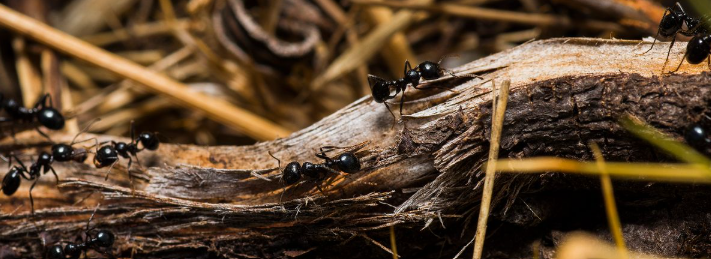
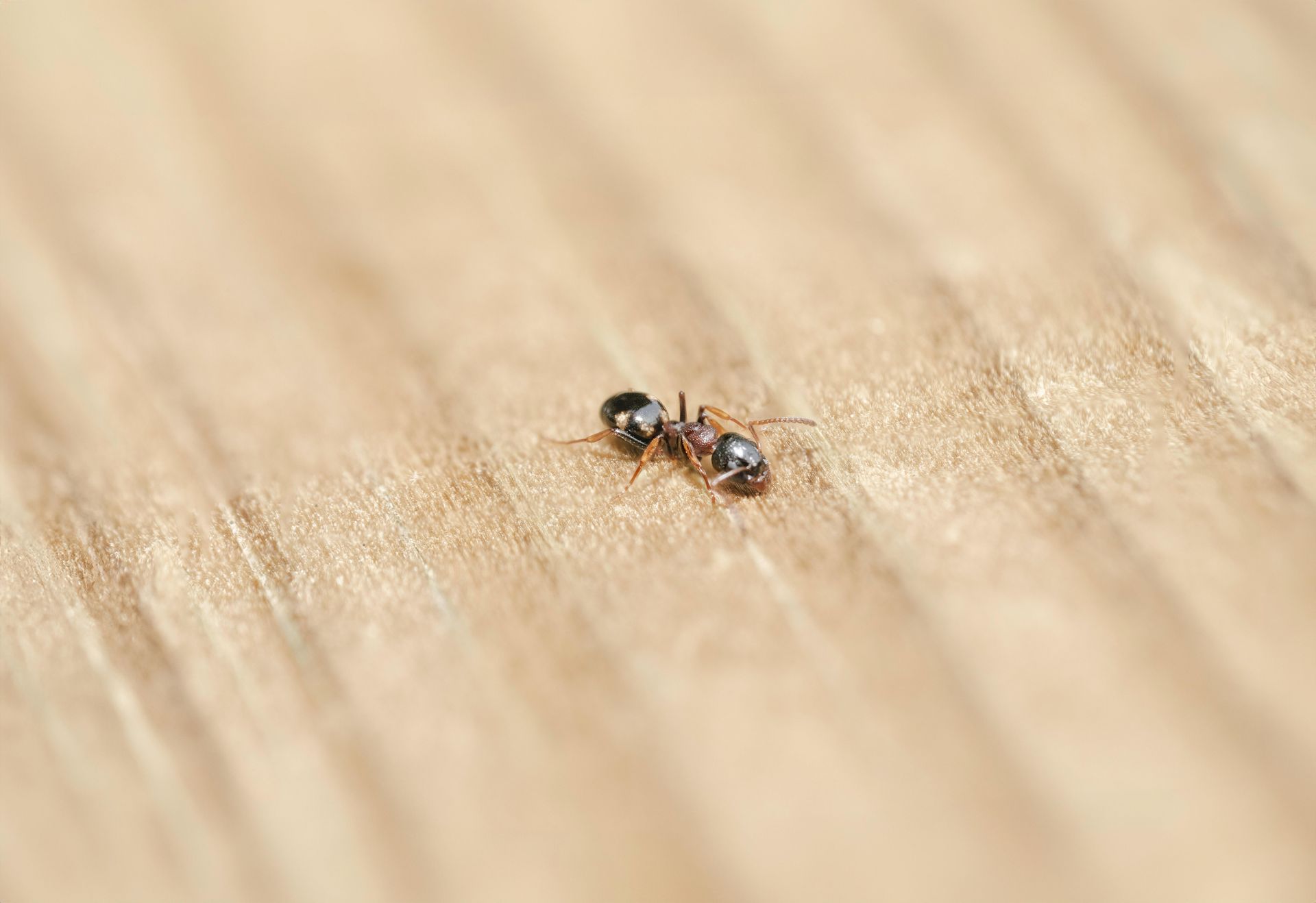
New Jersey is home to approximately 100 species of ants.


Most common species:

  • Carpenter Ants
  • Pavement Ants
  • Field Ants
  • Sugar Ants
  • Pharoah Ants
  • Odorous House Ants

Treatment for each species differs, and proper identification ensures success.
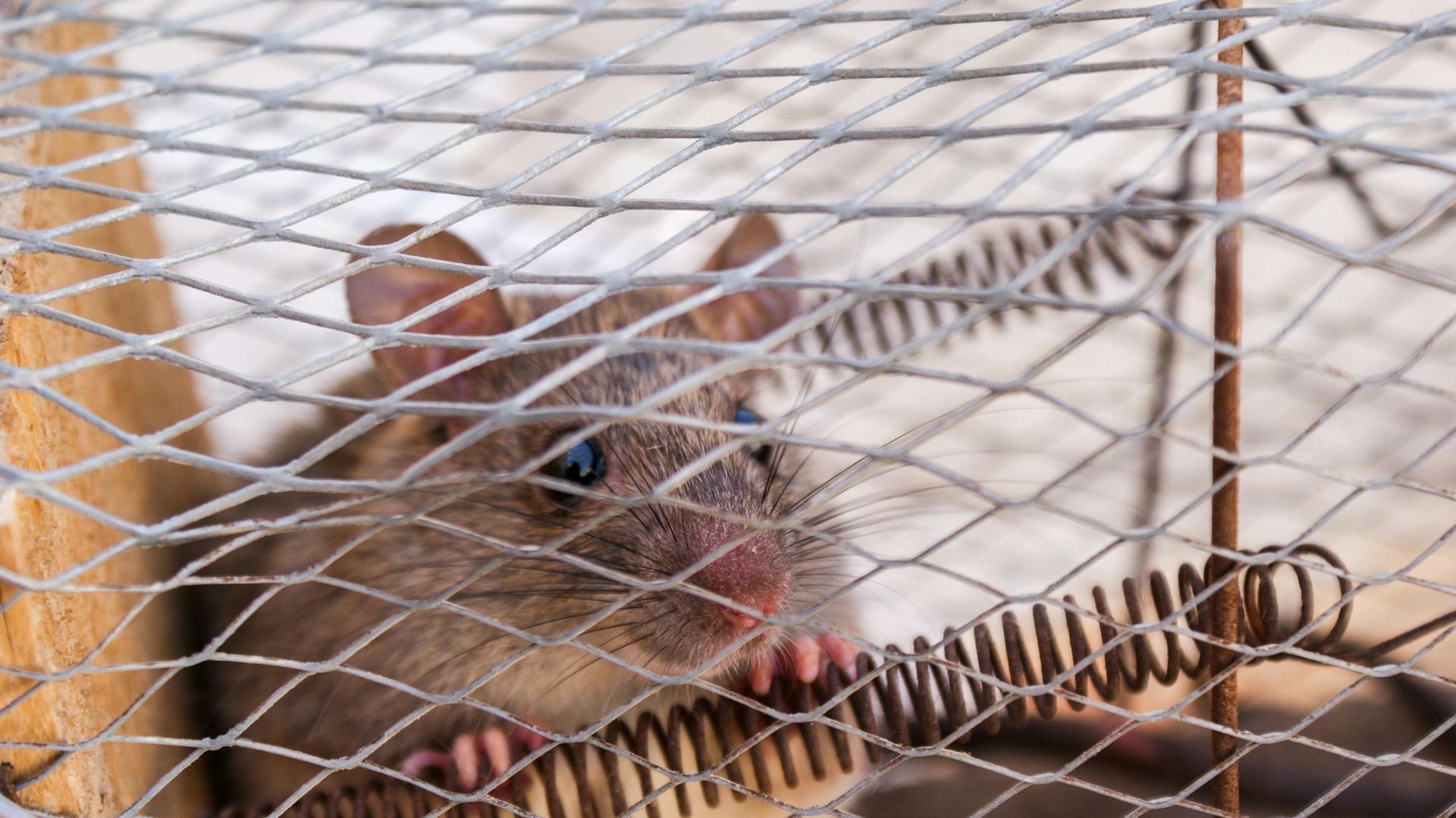
Rodent Elimination & Control

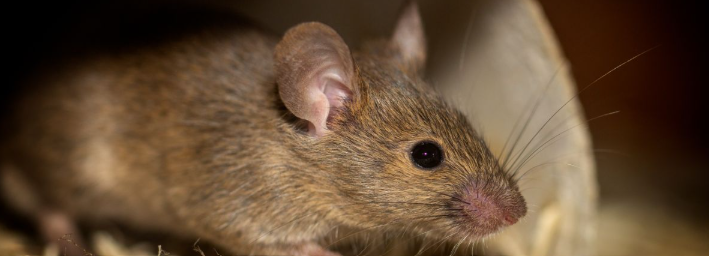
Mice and rats are common household pests that can chew wires, contaminate food, and spread bacteria.
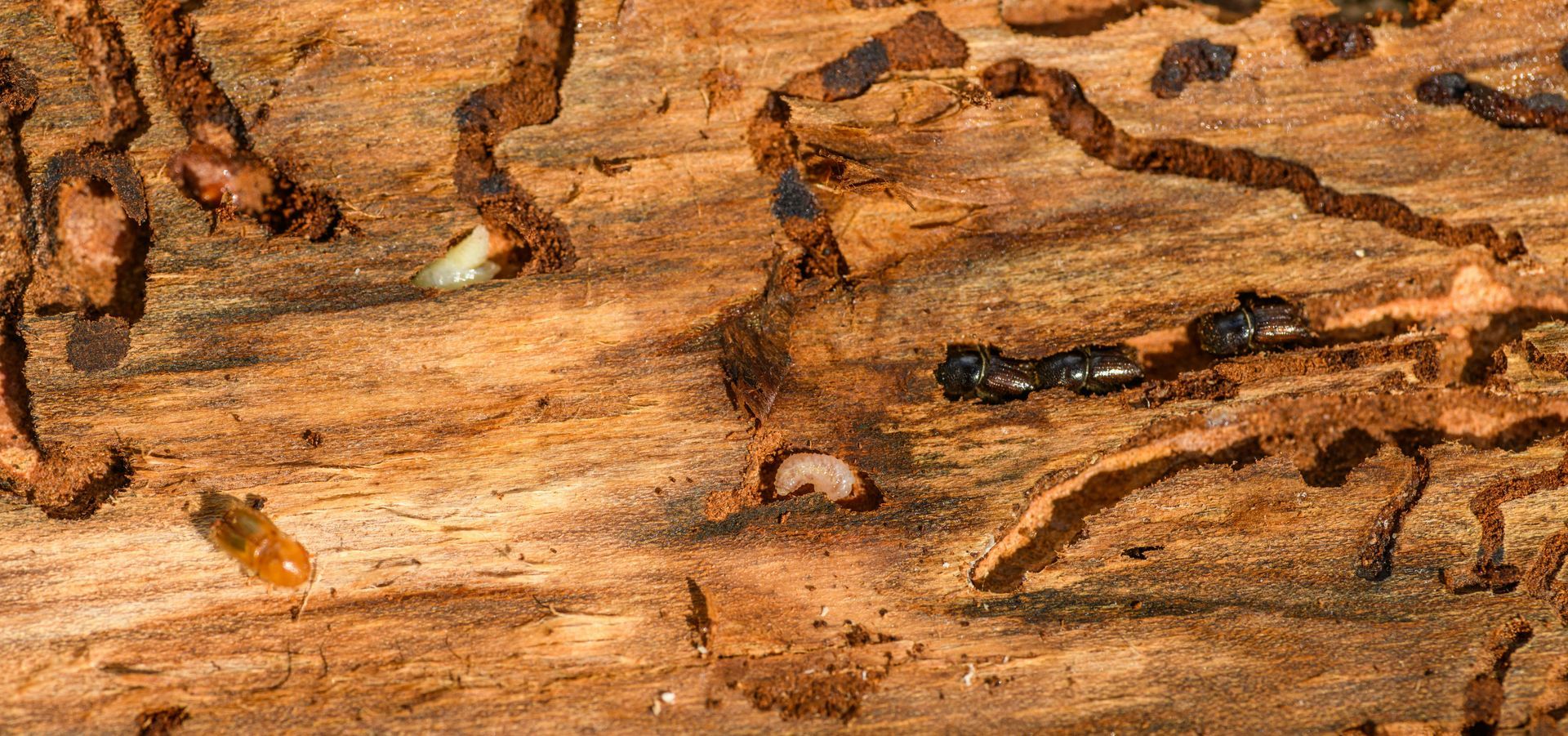
Termite Treatment

Termites can silently damage the structure of your home for months or even years before being discovered.
General Pest Control

Our general pest service protects against common insects such as:


Ants


Spiders


Wasps


Roaches


Seasonal invaders


We create a protective barrier around your home and treat problem areas as needed.
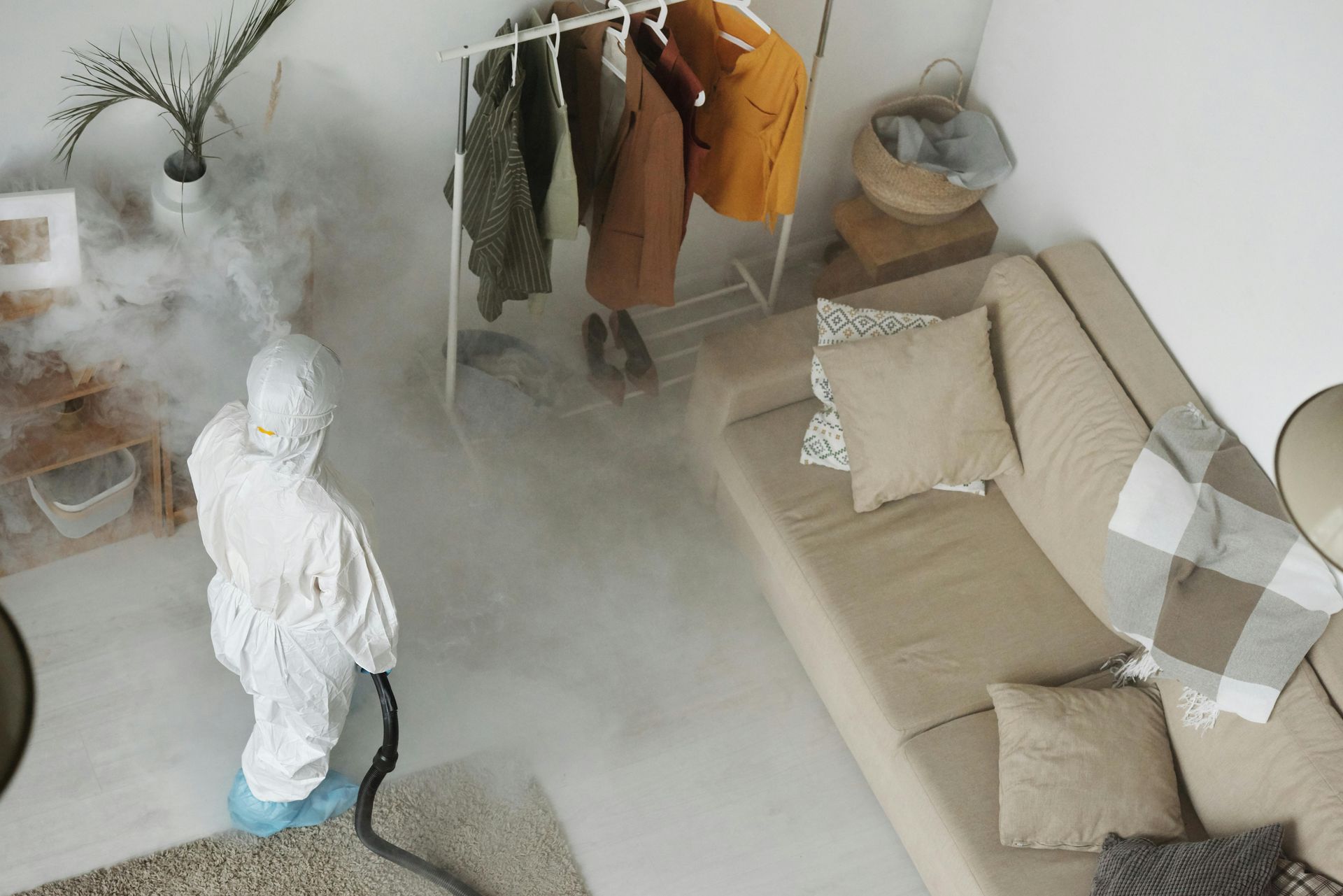
Preventative Maintenance

Routine pest control helps stop infestations before they begin.


Maintenance plans may include:


Seasonal inspections


Exterior treatments


Monitoring


Preventative recommendations
Eco-Friendly Pest Solutions

Green Heat NJ offers treatment options designed to reduce environmental impact while still delivering effective results. These methods are ideal for families, pet owners, and households seeking lower-exposure pest control.

Inspection/Treatment

Expert team conducts thorough inspection

  • Proper species identification
  • Tailored treatment plan
  • Reduces future infestations

Mosquito & Tick Control

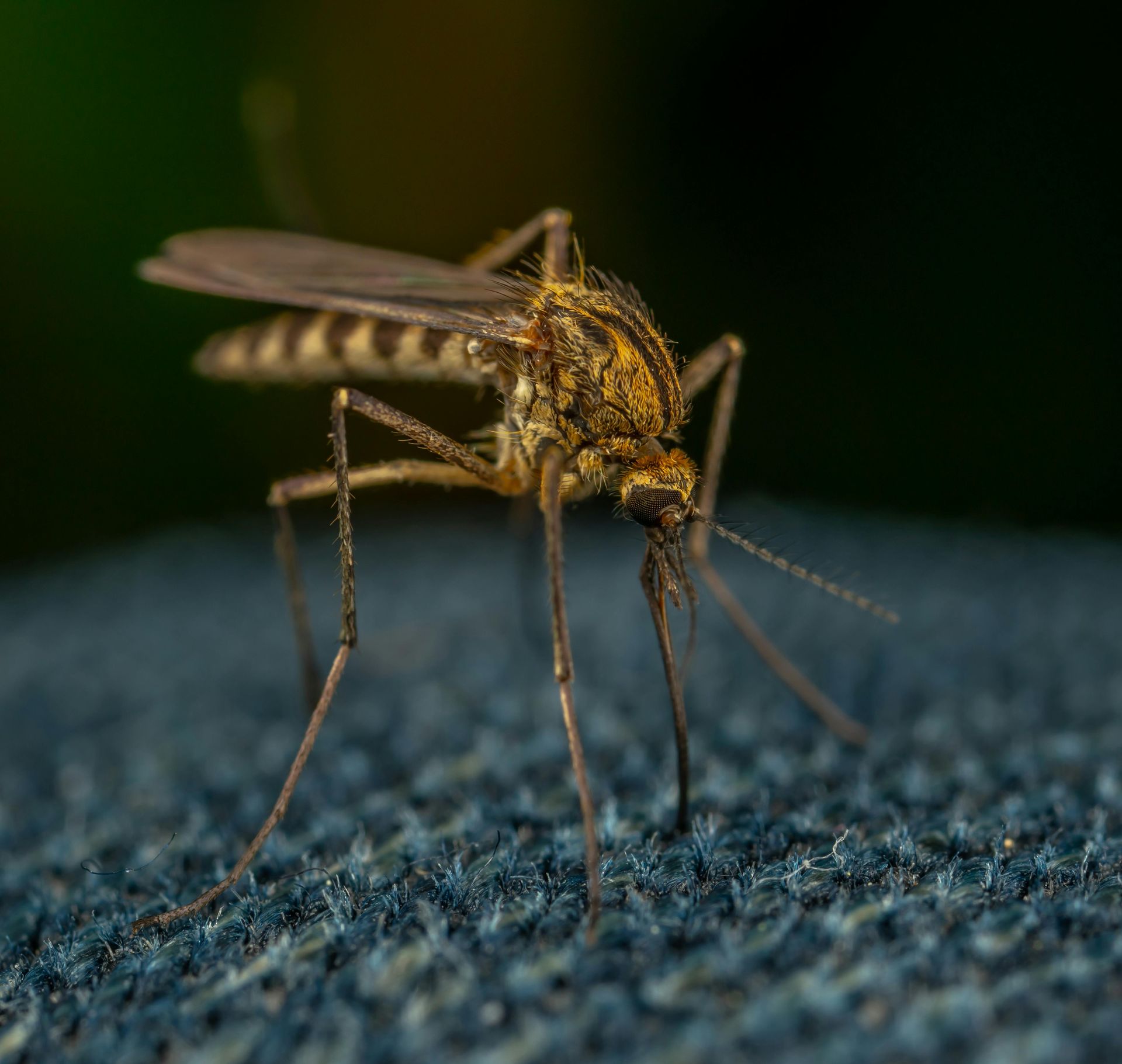
Keeping your yard pest-free is essential for comfort and safety in New Jersey, where warm weather encourages mosquitoes and ticks to thrive.


Warning Signs

  • Frequent bites after a brief time outdoors
  • Swarms near shaded or damp areas
  • Standing water around your property
  • Ticks found on pets or clothing

Request Your Comprehensive Evaluation Today for In-Depth Insights

Get In Touch With Us

Our Blogs

Technician performing integrated pest management inspection in a New Jersey home
March 25, 2026
Learn how Integrated Pest Management in New Jersey controls ants, rodents, and termites with safer, long-term solutions.
Mosquito on skin, feeding. Black and white insect with long legs, proboscis inserted, on light brown skin.
February 17, 2026
New Jersey’s lush landscapes and humid summers make it a haven for outdoor gatherings—but unfortunately, they also create the perfect breeding ground for mosquitoes and ticks. These pests are more than just a nuisance; they pose real health risks to families and pets. If you’re searching for reliable Mosquito Treatments in New Jersey , Mosquito Pest Control in New Jersey, or Tick Control in New Jersey, this comprehensive guide will help you reclaim your yard and enjoy the outdoors safely. Why Mosquito and Tick Control Matters in New Jersey Mosquitoes and ticks thrive in New Jersey from spring to fall. Without proper control, they can: Transmit illnesses like Lyme, Zika, and West Nile virus Trigger allergic reactions Endanger children and pets That’s why professional pest control isn’t just a luxury—it’s a necessity. Understanding Mosquitoes and Ticks in New Jersey Mosquitoes: Over 63 species of mosquitoes inhabit New Jersey inhabit New Jersey, with the Asian tiger mosquito and floodwater mosquito among the most common. Mosquitoes breed in stagnant water—think birdbaths, clogged gutters, and puddles—laying dozens of eggs at a time. Their bites can cause itching, swelling, and in severe cases, transmit dangerous diseases. Ticks: Ticks are resilient and can survive year-round, though their activity peaks in warmer months. They lurk in shaded, dense vegetation, waiting to latch onto pets or people. Tick bites can transmit Lyme disease and other serious illnesses. Related Read: Don’t Let Pests Take Over! Top-Rated Pest Extermination Services in New Jersey Practical Steps for Mosquito and Tick Prevention 1. Eliminate Breeding Grounds Remove standing water from containers, tires, plant saucers, and clogged gutters to disrupt mosquito breeding cycles. Keep grass trimmed, clear leaf litter, and prune shrubs to reduce tick habitats. 2. Routine Yard Maintenance Regularly mow your lawn and trim vegetation to minimize shady, moist environments where ticks thrive. Rake leaves and clear debris, especially in shaded areas and under porches, where ticks and mosquitoes hide. 3. Protective Barriers and Repellents Use EPA-approved repellents containing DEET or natural oils like lemon eucalyptus on skin and clothing when outdoors. Install physical barriers such as screens on windows and doors to keep mosquitoes out of your home. Professional Mosquito and Tick Treatments in New Jersey While DIY efforts help, professional Mosquito Pest Control in New Jersey and Tick Control in New Jersey offer the most reliable, long-term protection. Mosquito Treatments Organic Treatment: Safety for family, pets, environment Eco-friendly solutions (natural ingredients) Targeted application after property assessment Safe for families & pets Comprehensive protection (targets adults + disrupts lifecycle) Ongoing monitoring and support Natural Solutions: For eco-conscious families, all-natural treatments are available. These use botanical oils and are safe for children, pets, and pollinators, offering peace of mind without compromising effectiveness. Tick Control Targeted Sprays: Professional tick treatments focus on dense vegetation, low-hanging branches, and shaded areas—prime tick habitats. Regular applications create a protective barrier, reducing tick populations and preventing future infestations. Year-Round Protection: Since ticks are active even in cooler months, year-round prevention is crucial. Some services offer scheduled visits to maintain consistent protection. Related More: Ticks and Mosquitoes How Often Should You Treat Your Yard? Mosquitoes: Treatments are typically applied every three weeks from April to October, aligning with mosquito breeding cycles. Ticks: For optimal tick control, schedule treatments every three weeks during peak activity and maintain preventive measures year-round. What to Do If You’re Bitten Mosquito Bites: Clean the area with soap and water. Use anti-itch creams as needed. Tick Bites: Remove the tick with fine-tipped tweezers, clean the bite area, and monitor for symptoms like rash or fever. Seek medical attention if symptoms develop. Choosing the Right Pest Control Partner When selecting a provider for Mosquito Treatments in New Jersey or Tick Control in New Jersey, look for: Licensed and Experienced Technicians: Ensure your provider is state-certified and uses safe, effective products. Why Greenheatnj? Greenheatnj is fully licensed in New Jersey and staffed with trained, experienced technicians who follow industry best practices. We use EPA-approved, effective pest control solutions to ensure safety and long-lasting results. Customized Solutions: The best companies offer tailored plans based on your property’s unique needs and risk factors. Why Greenheatnj? We don’t believe in one-size-fits-all. Greenheatnj evaluates your property’s layout, pest pressure, and surrounding environment to design a personalized mosquito and tick control plan that actually works. Eco-Friendly Options: If safety is a priority, choose services that offer non-toxic, natural treatments. Why Greenheatnj? Our eco-conscious approach includes offering green and organic treatment options, ideal for families with children, pets, or environmentally sensitive areas. Safety and sustainability are at the core of what we do. What Our Customers Are Saying “We’ve tried other companies before, but Greenheatnj really stood out. Their technicians were professional and clearly knew what they were doing. Our yard has been mosquito-free all summer!” — Happy Customer “I love that Greenheatnj offered an eco-friendly solution. With kids and a dog running around, I needed something safe — and it worked better than I expected!” — Happy Customer “They took the time to inspect our property and create a custom plan. The tick problem is completely under control now. Highly recommend Greenheatnj!” — Happy Customer Treatment Schedule Recommendations PestTreatment FrequencyMosquitoesEvery 3 weeks (April–October)TicksEvery 3 weeks + year-round prevention What To Do If Bitten Mosquito bite: Clean with soap and water; apply anti-itch cream Tick bite: Use tweezers to remove; monitor for symptoms and seek medical care Take Back Your Yard—Safely and Effectively Don’t let mosquitoes and ticks ruin your New Jersey summer. With the right combination of prevention, maintenance, and professional Mosquito Pest Control in New Jersey and Tick Control in New Jersey, you can enjoy your outdoor spaces with confidence. Whether you prefer all-natural solutions or traditional treatments, expert help is just a call away—so you can focus on making memories, not swatting pests. Ready to protect your property? Contact Greenheatnj for customized mosquito and tick control solutions tailored to your New Jersey home. Frequently Asked Questions: What keeps mosquitoes and ticks away from my yard? Regular yard maintenance, removing standing water, and using professional mosquito and tick treatments are the most effective ways to keep these pests away from your property in New Jersey. What is the best mosquito and tick repellent? EPA-approved repellents containing DEET, picaridin, or oil of lemon eucalyptus are considered the most effective for personal protection against mosquitoes and ticks. How often do you need to spray your yard for ticks and mosquitoes? For optimal protection, it’s recommended to spray your yard every three weeks during peak mosquito and tick seasons, typically from spring through early fall in New Jersey. Do mosquito and tick treatments really work? Yes, professional mosquito and tick treatments create a protective barrier that significantly reduces pest populations and helps prevent bites and the spread of diseases. What are the most effective ways to get rid of ticks in your yard? The most effective methods include keeping grass and shrubs trimmed, removing leaf litter, using targeted tick control sprays, and scheduling regular professional treatments.
Person brushing a long-haired, light-colored dog indoors; dog is seated on a wooden floor near a person.
February 17, 2026
Simple environmental changes like clean yard zones, trimmed vegetation, and smart barriers greatly reduce tick exposure for pets and children. Indoor habits such as gear-drop areas, regular pet checks, and strategic cleaning help prevent ticks from entering and spreading inside the home. Professional support through mosquito and tick control and long-term preventive services adds reliable protection your family can depend on. If you’ve ever taken your kids or pets out to the yard, only to spend the rest of the day worrying about ticks, you’re not alone. These tiny pests are sneaky, stubborn, and far more common than most families realize. What’s even trickier is that ticks don’t show up in loud, obvious ways; they hide in the quiet corners of your property, waiting for the right moment. But here’s the reassuring part: a tick-safe home can easily be built through smart habits, thoughtful landscaping, and the right protective systems. Once you understand how ticks behave and what attracts them, keeping your yard safe becomes far simpler than it seems. Here is a step-by-step guide to help you protect your pets, your kids, and your peace of mind. 1. Smart Yard Habits That Reduce Tick Activity Ticks usually follow moisture, shade, and hosts. When you change the environment they rely on, you cut down their presence dramatically. Simple daily and weekly habits can transform a tick-friendly yard into a safer space for everyone. a) Keep Grass Short and Edges Clean Ticks thrive in tall, shaded vegetation where they can climb and wait for a host. Keeping your grass short removes most of their hiding spots and makes it harder for them to reach children or pets as they move around the yard. Shorter grass also increases sunlight on the ground, drying out moisture that ticks depend on for survival. Consistency is key. A yard that’s trimmed weekly is far less inviting to ticks than one maintained sporadically. b) Clear Leaf Litter and Yard Debris Regularly Leaf piles and damp debris are tick hotspots. They stay cool, shaded, and moist, the exact conditions ticks need. Removing debris lowers humidity in your yard’s micro-environment, making it far less comfortable for ticks to establish themselves. This helps protect pets who sniff around ground-level areas and children who tend to play on the lawn or near trees and fences. c) Set Up Protective Tick Barriers If your yard touches wooded areas or tall brush, that natural border becomes a major entry point for ticks. Creating a defined separation, such as a mulch or gravel barrier, discourages ticks from crossing into your main yard. A simple 3-foot buffer reduces tick migration significantly and gives you a safer zone where pets and kids can roam more freely. But boundaries matter inside, too. Ticks often travel indoors on shoes, clothing, and pet fur. Setting up a “drop zone” near your entryway, a designated area for removing shoes, wiping paws, or storing outdoor gear, helps prevent ticks from reaching your carpets, couches, or children’s play spaces. These small indoor habits work together with your outdoor barriers, reinforcing protection across your entire home environment. d) Keep Outdoor Toys, Playsets, and Dog Runs in Sunny Spots Ticks avoid sun-drenched, dry areas because they can’t retain moisture there. Moving swing sets, slides, sandboxes, or dog runs into sunnier zones naturally lowers risk. This small adjustment keeps high-traffic areas safer without altering your landscaping dramatically. It’s also one of the fastest ways to reduce tick encounters where children play most. e) Manage Moisture and Drainage Ticks flock to damp pockets of your yard, especially after rain. Fixing poor drainage, clearing clogged gutters, or leveling areas where water pools can help remove their ideal habitat. Homes with dry, well-drained yards consistently report fewer ticks, which means better safety with minimal effort. 2. Landscaping That Naturally Keeps Ticks Away Thoughtful landscaping doesn’t just make your yard look better; it plays a huge role in reducing tick populations. Certain plants, layouts, and design choices naturally repel ticks or make it harder for them to survive. With the right planning, your yard can stay beautiful and protective. a) Choose Tick-Resistant Plants That Repel Pests Naturally Plants like lavender, rosemary, marigolds, sage, mint, and lemongrass naturally discourage ticks. While they’re not a standalone solution, they add an extra layer of protection. Planting these along borders, pathways, and near patios creates a gentle, pleasant-smelling barrier that complements other control measures. b) Keep Shrubs and Trees Well Pruned Thick shrubs trap moisture and create shade, a perfect combination for ticks. Regular pruning opens up airflow, helping the yard stay dry and inhospitable to pests. This improves visibility too, making it easier to spot potential tick zones and keep kids and pets away from them during peak seasons. c) Choose Hardscaping for High-Traffic Play Areas Decks, patios, paved walkways, gravel play zones, and stone seating areas naturally discourage ticks because they have no soil or vegetation to hide in. Choosing these features for heavily used parts of your yard reduces tick risk without changing your landscaping dramatically. d) Store Firewood Properly Firewood stacked against the home attracts rodents, and rodents attract ticks. Keeping woodpiles at least 20–30 feet away from the house and elevated off the ground helps break this chain. This is a small but meaningful habit that reduces tick activity near back doors, patios, and pet entrances. e) Maintain Defined Play and Pet Zones When pets and children have designated areas to play, it’s easier to keep those specific zones well-trimmed, dry, and tick-free. This makes your yard easier to monitor overall, especially if certain edges of your property remain naturally wooded. 3. Professional Protection for a Truly Tick-Safe Home  Creating a tick-safe environment isn’t only about yard maintenance; ticks travel on pets, wildlife, shoes, gear, and even clothing. That means safety has to extend beyond the lawn and into the spaces your family uses every day. This is where professional support becomes invaluable. The right partner helps you cover both outdoor risk zones and indoor vulnerabilities, giving your pets and children a level of protection that DIY efforts can never match. a) Targeted Outdoor Treatments Based on Real Tick Behavior Ticks don’t spread evenly across your yard. They settle in shaded corners, wood lines, mulch beds, foundation edges, and under decks. A professional pest control team identifies these micro-zones and treats them precisely rather than soaking the entire property with general sprays. They also use preventive services selected for households with kids, pets, and gardens, a major advantage over store-bought products with unclear safety details. This makes each application more effective and safer. b) Treating Pet Hotspots to Stop Ticks Before They Enter the Home Pets are the most common way ticks get indoors, even when preventives are used. Dogs tend to lounge in the same shaded corners, run along the same fence lines, and nap in specific yard patches. Professionals identify and treat these high-traffic pet routes, reducing exposure at the exact points where ticks latch on. This lowers the chances of ticks being carried into your carpets, sofas, beds, and kids’ play areas. c) Securing Your Home’s Perimeter to Block Entry Points Many homeowners don’t realize that ticks can enter through structural openings, gaps near foundations, crawl spaces, utility lines, or basement windows. Professionals look for these points and recommend sealing them to stop wildlife carriers from nesting close to the house. They also reduce moisture zones around the perimeter, making the environment far less appealing to ticks that thrive in damp, shaded areas. d) Indoor Practices That Support Your Outdoor Safety Efforts Even with strong yard protection, small exposures can happen during daily life. Indoor habits help dramatically: Washing pet bedding and blankets regularly Vacuuming high-traffic areas like hallways, rugs, and couches Keeping mudrooms organized so you can quickly inspect clothing Checking dogs before they jump onto furniture These steps don’t replace treatment, but they extend its impact and keep indoor spaces healthier, especially for families with children. e) Season-Long Protection with Scheduled Programs Ticks behave differently in spring, summer, and fall. One treatment can’t cover the entire cycle. A professional schedule provides continuous mosquito and tick control , monitoring changes throughout the season, and adjusting treatments as needed. This approach gives you predictable safety, fewer bites, and the comfort of using your yard confidently. It also ensures your home stays protected even during heavy tick months when risks typically spike. Safe Spaces Start with Smart Choices Tick safety isn’t about fearing the outdoors; it’s about understanding it. When you take a smart, layered approach, your yard becomes a place where pets can explore freely, and kids can play without constant worry. You’re not creating a bubble, you’re creating confidence. With the right habits, thoughtful landscaping, and professional guidance, your home becomes a space where outdoor time feels effortless again. And that ease is something every family deserves. GreenHeatNJ is your trusted partner for creating safe, family-friendly spaces that protect the people and pets you love. Call 973-932-2092 today for a no-cost evaluation and get expert guidance on targeted treatments that create a tick-safe environment for everyone around you.
Show More